


Low-Tech at Icam: Rethinking Innovation for a Sustainable Future
Icam
15 Jul 2025
“At Icam, we make it a habit to challenge educational norms and rethink what it means to be an engineer. Today, a new path is opening up for us. Low-Tech reminds us of a simple and powerful truth: the best solution is often the most frugal, clever, and essential. Innovation is no longer measured by extravagance, but by real, lasting, and accessible impact. It’s not about rejecting innovation, but about questioning its necessity. This clarity of thought is what we aim to instill in our future engineers,” explains Gilles Vandecaveye, CEO of Icam.
Low-Tech: A New Educational Challenge at Icam
As part of this new direction, Icam dedicated its 2025 Improvement Council to the topic of Low-Tech. This advisory body is key to continuously enhancing the quality of higher education programs.
On May 20 and 21, the Council gathered inspiring voices from the Low-Tech movement, alongside students, alumni, faculty members, partners (including Proginov), and the Society of Jesus. The objective? To enrich our vision of tomorrow’s engineer and adapt our curricula to the challenges of our time.
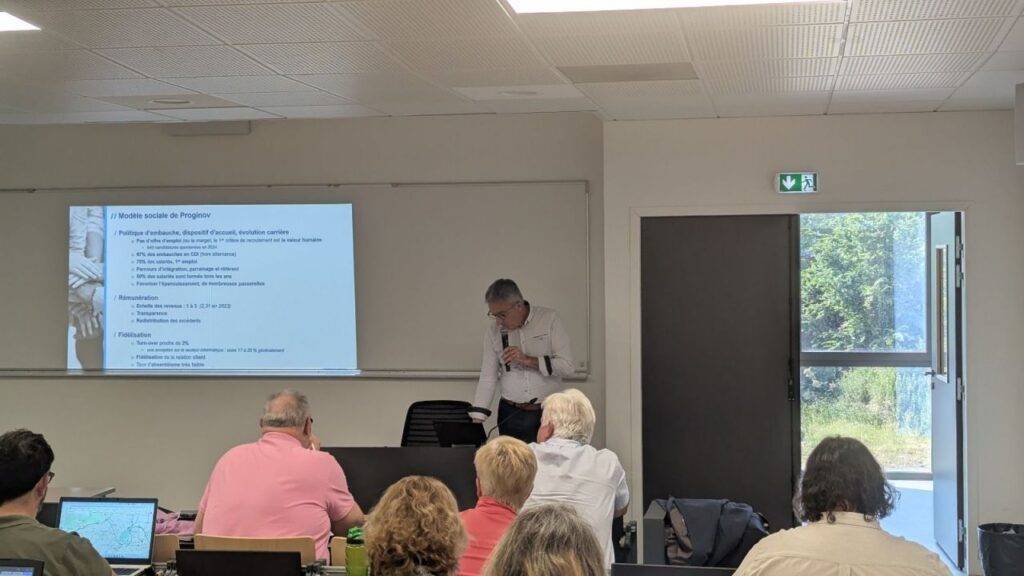
Next step: a summary report capturing the highlights of these discussions will be shared across our campuses and with the wider public, keeping this essential conversation alive and central to Icam’s mission.
Engineering, Frugality, and Innovation: The First Icam Low-Tech Challenge
Another key milestone was the Low-Tech Challenge, held on June 24 at the Nantes campus. This unique, public event brought together experts, students, field practitioners, and curious minds with one shared goal: engineering for what truly matters.
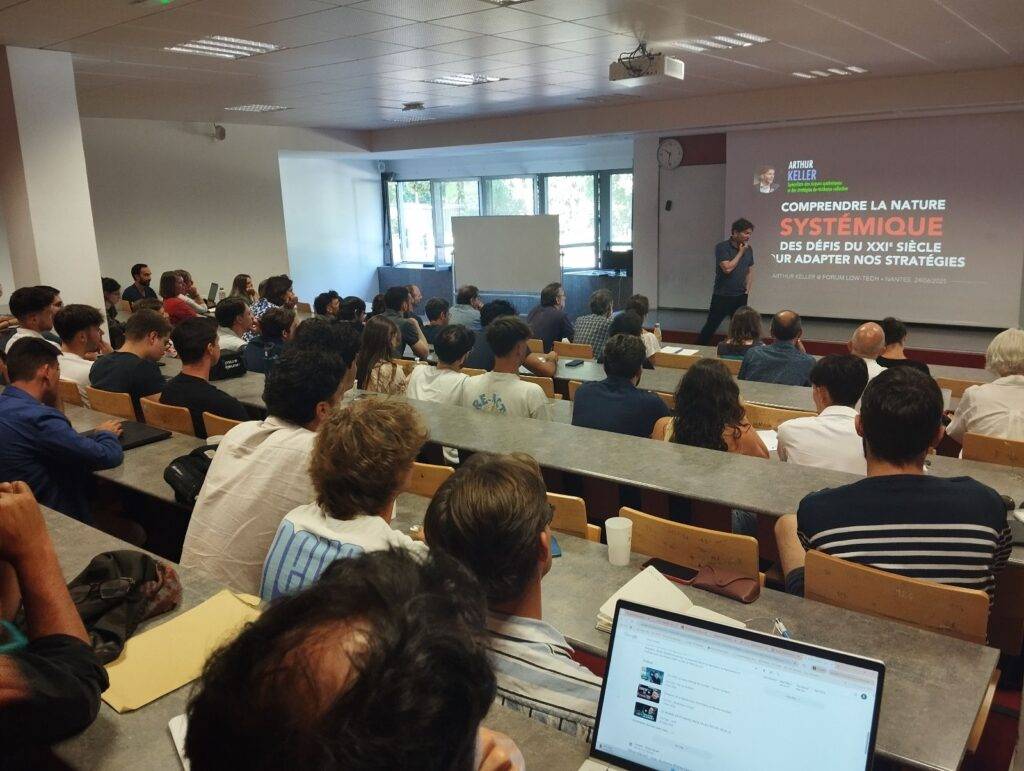
The day began with powerful talks by two renowned researchers and educators, Olivier Hamant and Arthur Keller, on resilience and systemic transition. Both emphasized the importance of collective resilience and Low-Tech solutions as paths toward frugality, efficient simplicity, and long-term sustainability. Humanity is currently consuming more resources than the planet can regenerate — an issue that is undeniably critical. So how can we collectively live on this planet while following a simple rule: not consuming more than the Earth can provide, and at the same time ensuring a social foundation that allows everyone to live with dignity?
Rather than constantly optimizing everything, we need to design robust, repairable objects tailored to real needs — tools that continue to serve us even in the face of the unexpected. These are common-sense, resilient practices that help us build a more sustainable future. This is not a step backward, but a call to focus on what truly matters.
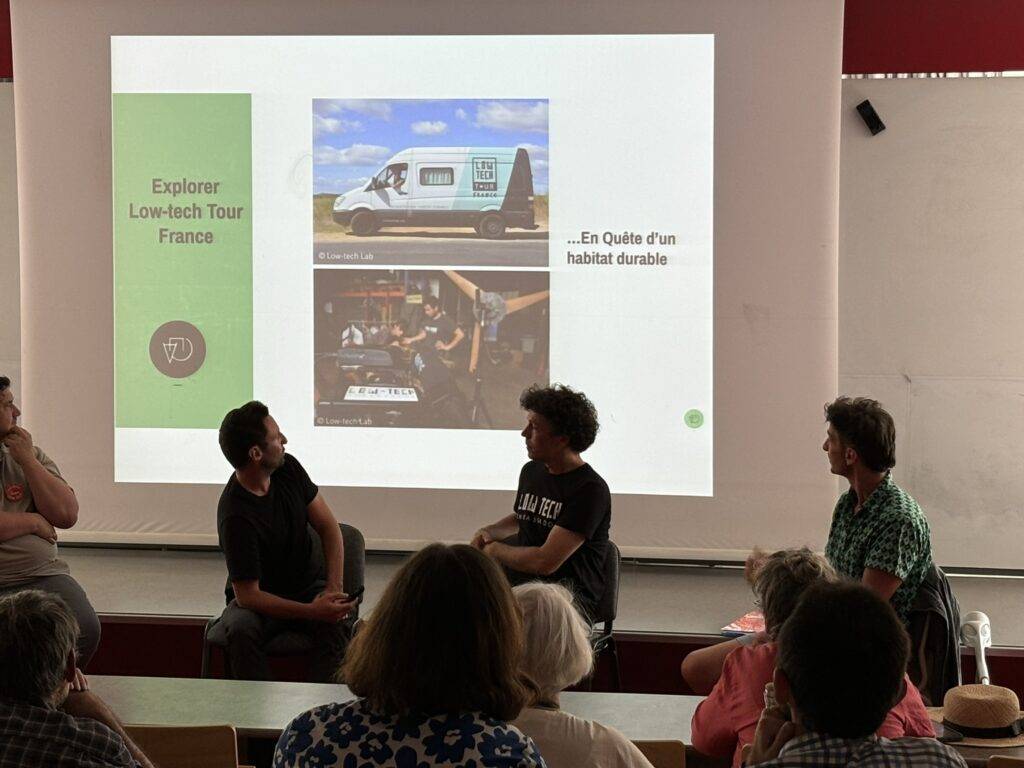
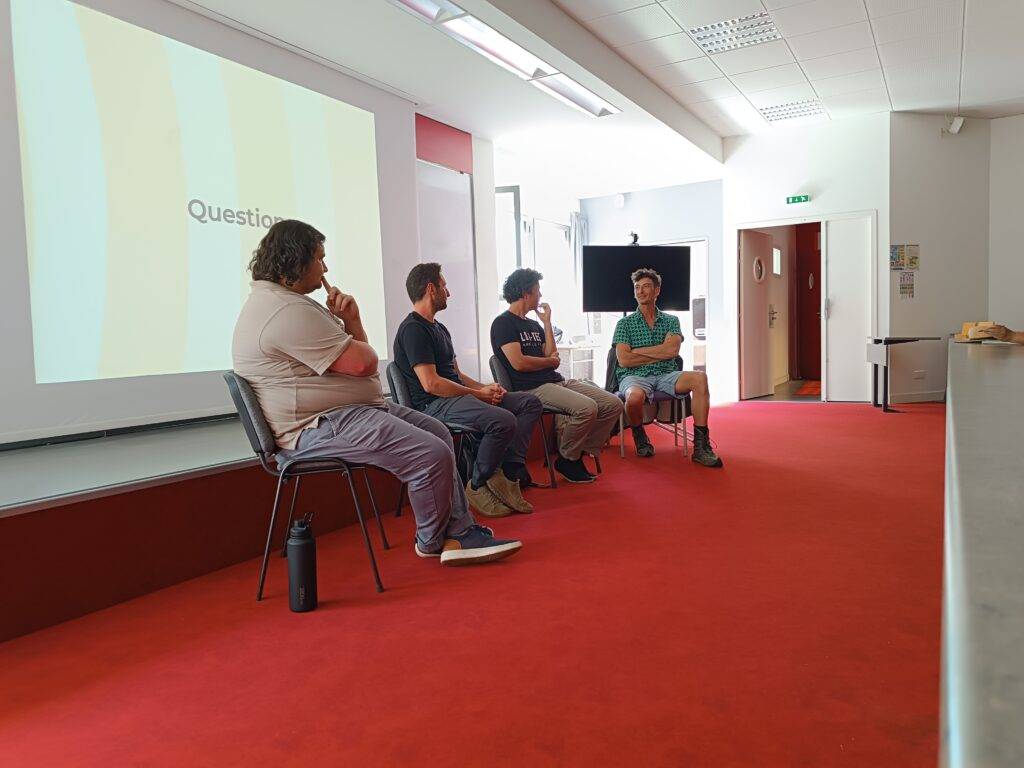
In the afternoon, a high-level roundtable titled “Is a Low-Tech Future Already Underway? A Look at Promising Initiatives and Concepts” featured Corentin de Chatelperron and Pierre-Alain Lévêque—both Icam Nantes graduates and co-founders of the Low-Tech Lab—alongside Fabien Bidaut, professor, and Rémy Ducros, coordinator of Low-Tech initiatives at Icam.
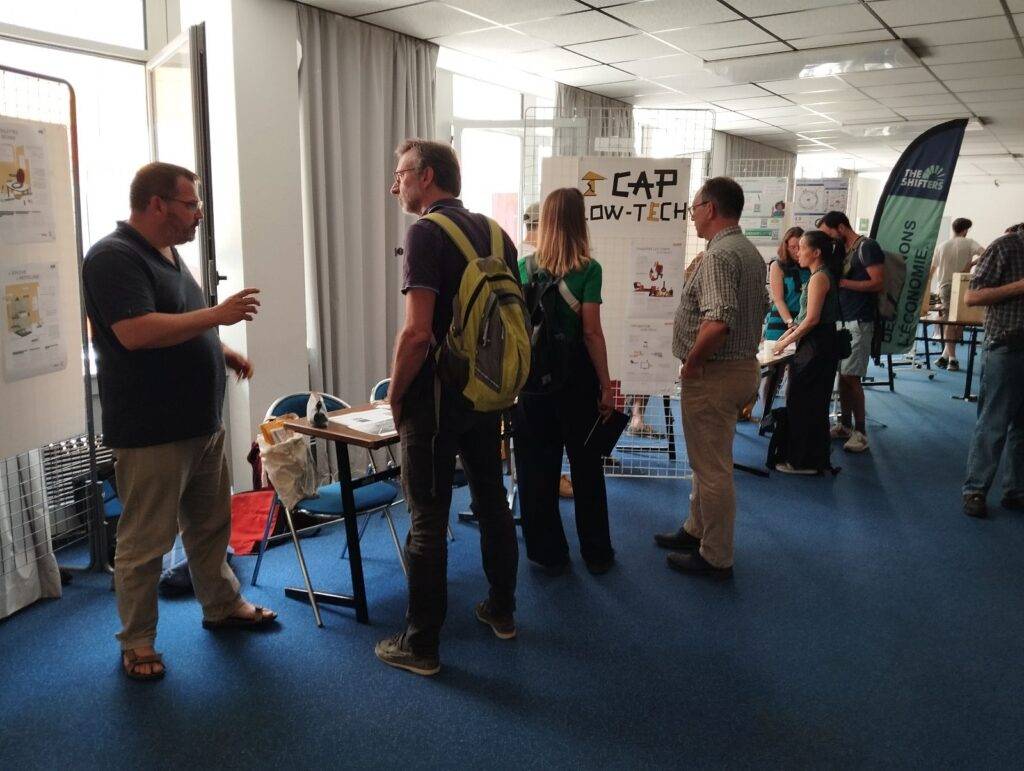
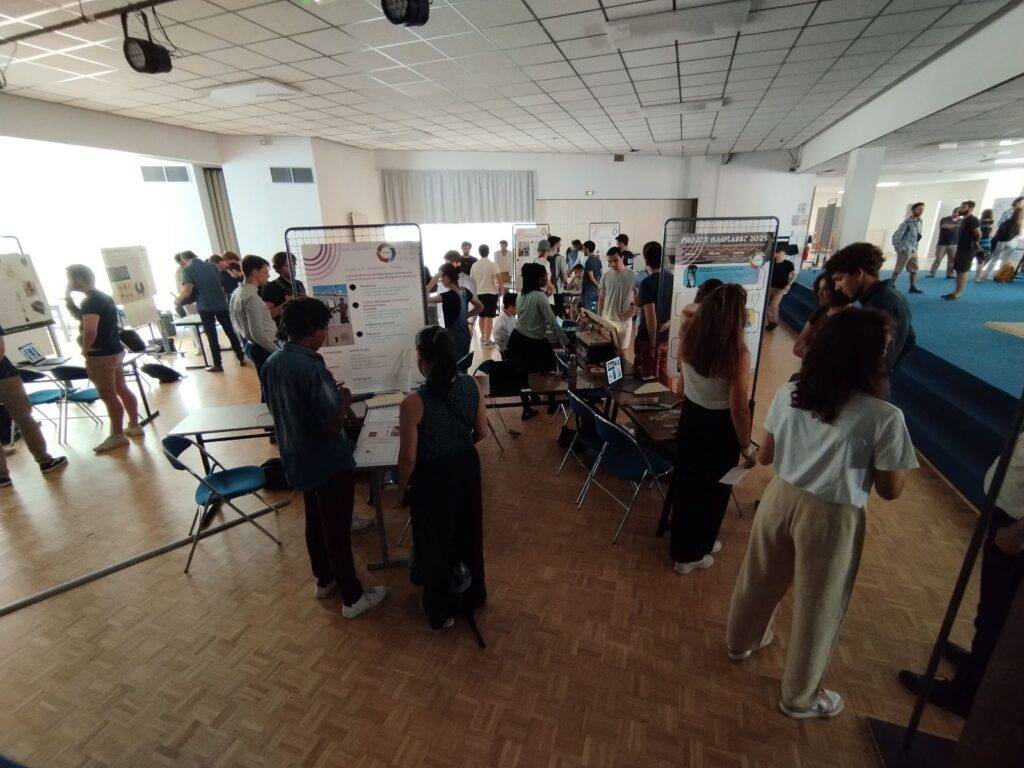
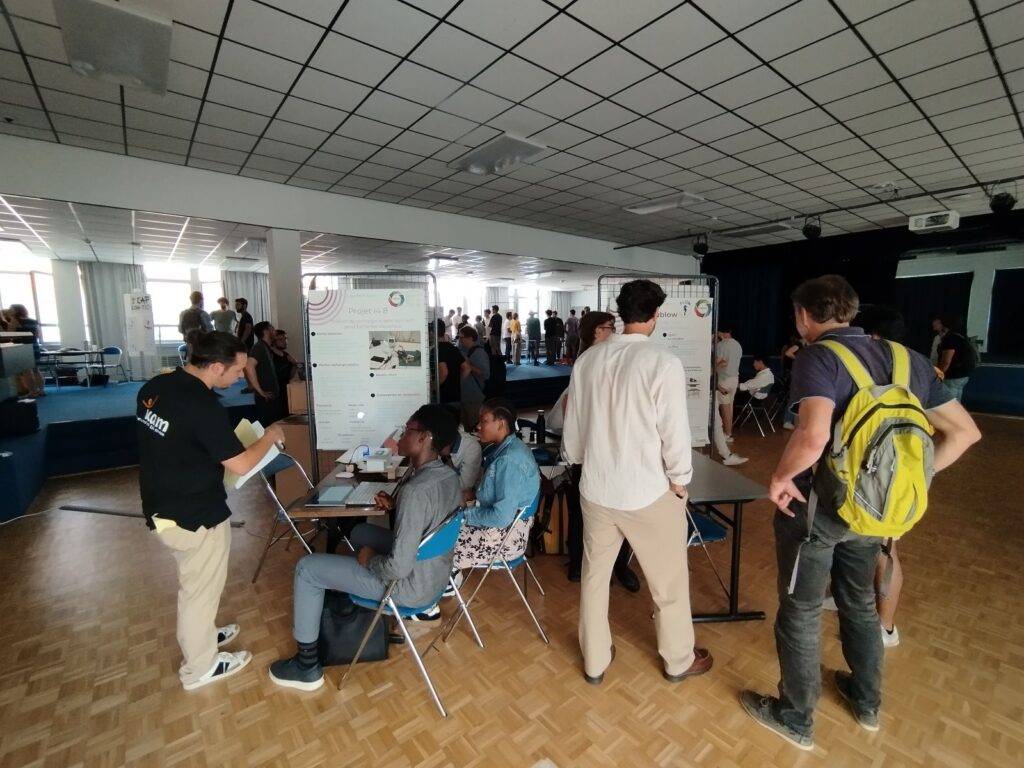
The event also included a project showcase, highlighting innovative student-led initiatives and reaffirming the vital role of engineers in implementing Low-Tech approaches.
Throughout the day, participants explored the Low-Tech association showroom, a space dedicated to exchange and discovery around Low-Tech practices and solutions.
👉 Learn More About Low-Tech at Icam
Icam
15 Jul 2025
« Pour nous, bousculer les habitudes pédagogiques et questionner le métier d’ingénieur fait partie de notre routine. Aujourd’hui, une autre voie s’ouvre à nous. Les Low-Techs nous rappellent une vérité simple et puissante : la meilleure solution est souvent la plus sobre, la plus astucieuse, la plus essentielle. L’innovation ne se mesure plus à la démesure, mais à l’impact réel, durable et accessible. Non pas rejeter l’innovation, mais questionner sa nécessité, c’est cette lucidité que nous voulons cultiver chez nos futurs ingénieurs », explique Gilles Vandecaveye, directeur général de l’Icam.
Les Low-Techs, un enjeu de formation à l’Icam
Engagé sur ce nouveau chemin, l’Icam a consacré son Conseil de perfectionnement 2025 aux Low-Techs. Cette instance consultative vise à améliorer en continu la qualité des formations, notamment dans l’enseignement supérieur.
Les 20 et 21 mai, deux journées étaient ainsi organisées réunissant plusieurs figures inspirantes du monde des Low-Techs, étudiants, alumni, enseignants, partenaires (notamment Proginov) et la Compagnie de Jésus. Objectifs : nourrir notre vision de l’ingénieur de demain et faire évoluer nos formations en phase avec les enjeux contemporains.
Prochaine étape : la rédaction d’un rapport synthétisant les temps forts de ces rencontres, qui sera diffusé sur nos campus et auprès du public, afin de continuer à partager et à faire vivre ce sujet au cœur des préoccupations de l’Icam.
Ingénierie, sobriété et innovation au cœur du premier Challenge Low-Tech Icam
Autre temps fort : le Challenge Low-Tech qui s’est tenu le 24 juin sur le campus de Nantes. Un événement inédit, ouvert au public, qui a rassemblé experts, étudiants, acteurs de terrain et curieux, pour « viser l’ingénierie de l’essentiel ».
Cette journée a débuté par des conférences inspirantes proposées par deux spécialistes et professeurs, Olivier Hamant et Arthur Keller, sur les enjeux de résilience et de transition systémique. Tous deux ont insisté sur l’importance d’une résilience collective et de la Low-tech pour viser la sobriété, l’efficacité pertinente, la durabilité…
L’humanité consomme en effet aujourd’hui plus de ressources que la planète ne peut en régénérer, ce qui semble être une problématique incontestable. Comment alors vivre collectivement sur cette planète en respectant une règle simple — ne pas consommer plus que ce que la Terre peut fournir — tout en assurant un plancher social pour vivre correctement ? Plutôt que de tout optimiser en permanence, il s’agit de concevoir des objets robustes, réparables, adaptés aux besoins réels, qui nous permettent d’avancer même en cas d’imprévu. Ce sont des pratiques de bon sens, résilientes, qui nous aident à construire un avenir plus soutenable. Ce n’est pas un retour en arrière mais un appel à se concentrer vers l’essentiel.
L’après-midi, une table ronde de haut niveau intitulée « Un avenir Low-Tech déjà en route ? Revue des initiatives et concepts à forts potentiels » a réuni Corentin de Chatelperron et Pierre-Alain Lévêque, tous deux ingénieurs Icam (Nantes) et co-fondateurs du Low-Tech Lab, Fabien Bidaut, professeur et Rémy Ducros, chargé de l’animation des réflexions sur les Low-Tech à l’Icam.
Cette journée a également été l’occasion de mettre en lumière dans le cadre d’un forum, les projets portés par les étudiants et de rappeler le rôle des ingénieur·es dans la mise en œuvre des Low-Techs.
Enfin, tout au long de la journée, les participants ont pu découvrir le showroom associatif Low-Tech, pour partager et échanger autour de la démarche et des solutions Low-Tech.
👉 Les Low-Techs à l’Icam, pour en savoir plus